PRODUCT'S LIFE CYCLE
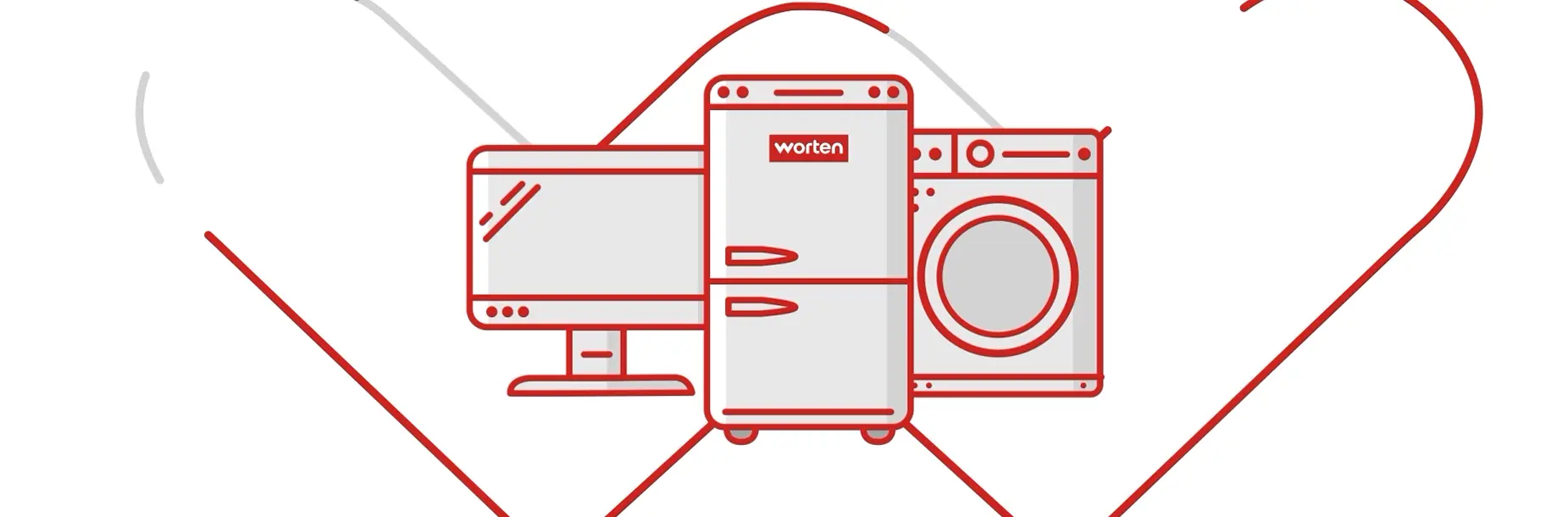
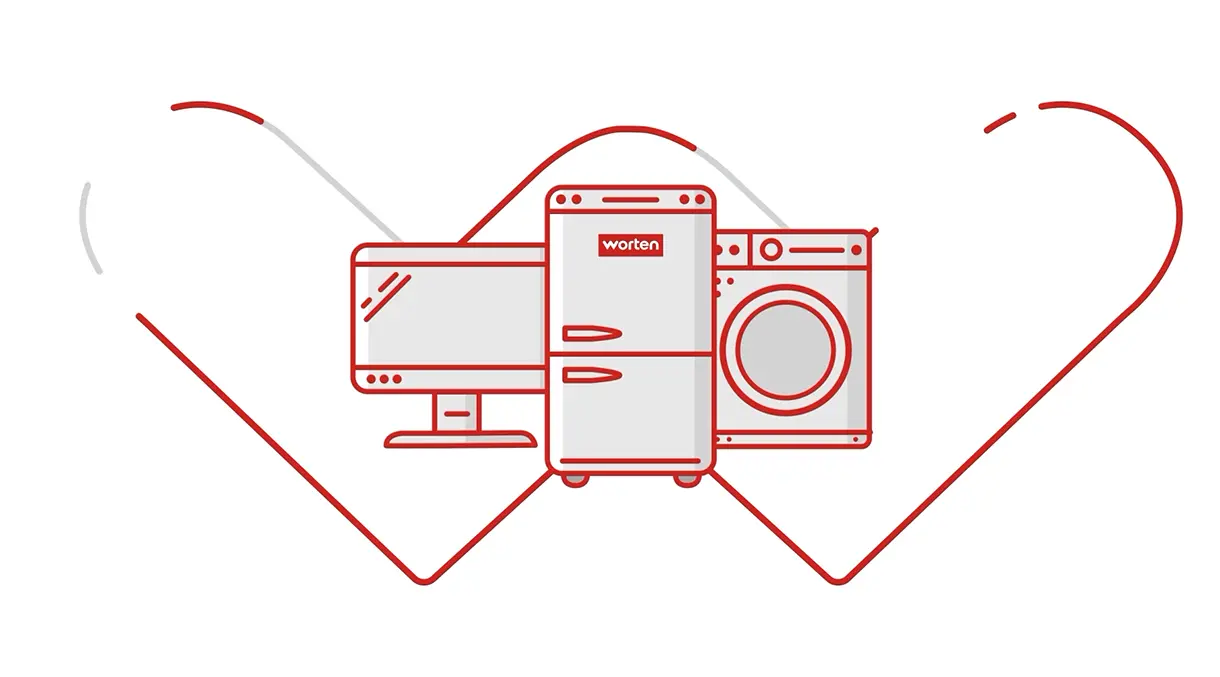

Most companies that build digital products have a method for it, and most of those methods live in a slide deck that nobody opens. A method only works when everyone involved knows the same steps and uses the same words for them, which makes it a communication problem rather than a documentation one. Product’s Life Cycle is Worten’s method turned into something people can actually absorb, a short internal film that walks through the full cycle, and physical displays across the office, where the work happens.
Most companies that build digital products have a method for it, and most of those methods live in a slide deck that nobody opens. A method only works when everyone involved knows the same steps and uses the same words for them, which makes it a communication problem rather than a documentation one. Product’s Life Cycle is Worten’s method turned into something people can actually absorb, a short internal film that walks through the full cycle, and physical displays across the office, where the work happens.
A process is abstract, and abstract things are hard to remember. Giving every stage its own icon turns the method into something visual and repeatable, so a stage can be pointed at, named and recalled without anyone reopening a document. Laying the stages out as a circle does the same job for the shape of the work, since delivery is not the end of anything, it feeds the next round.

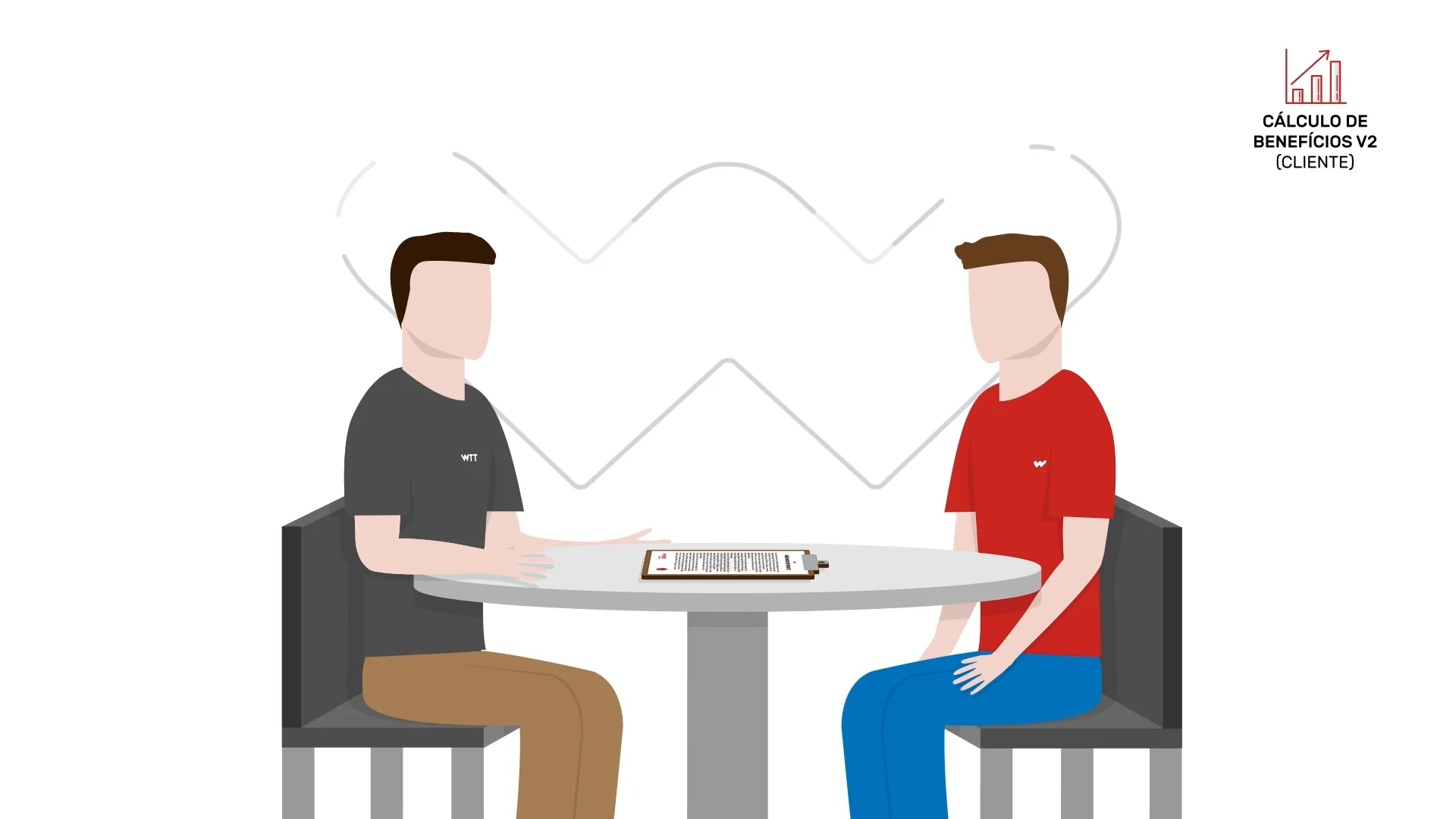
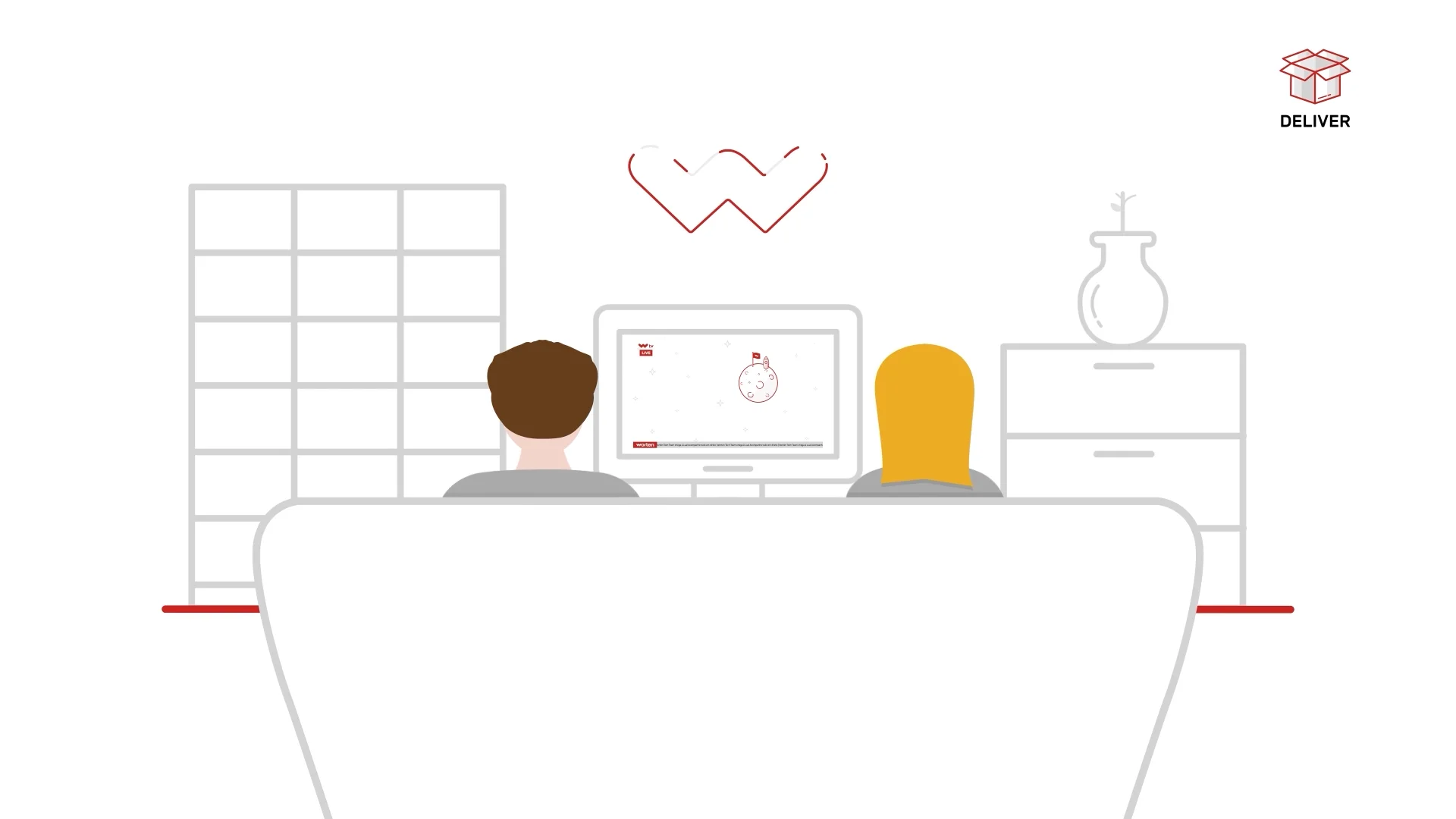
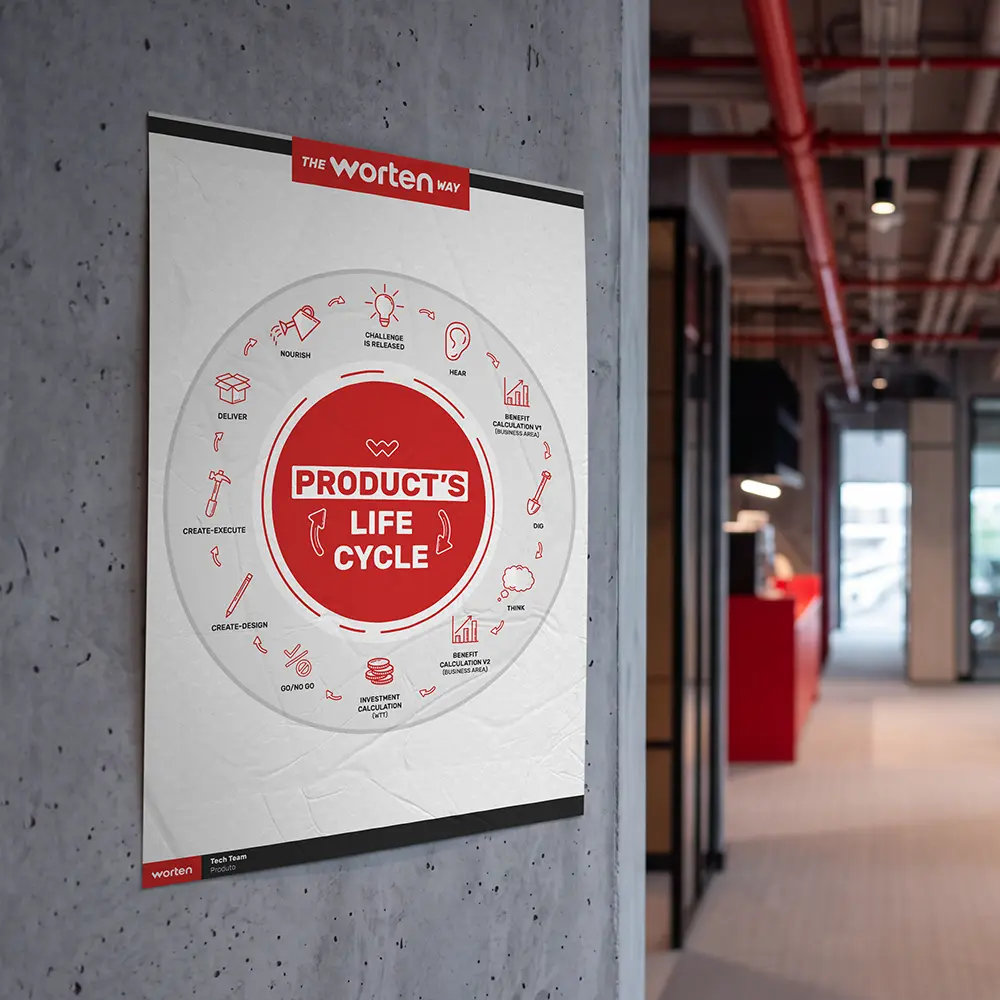
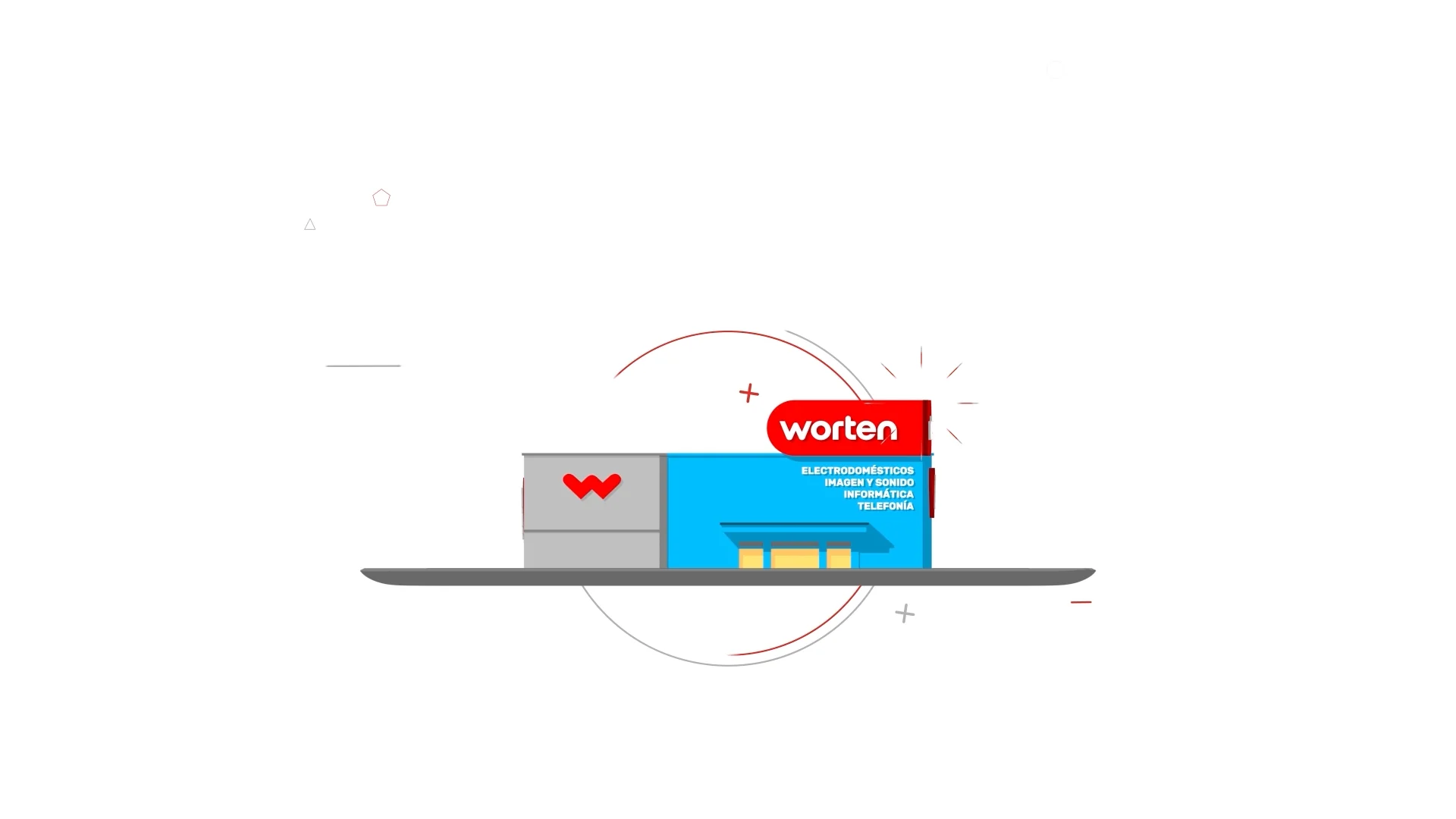
The illustration follows the same logic. Keeping it flat and minimal strips out anything that isn’t carrying meaning, because detail competes with the explanation instead of supporting it. The characters have no faces for the same reason. A face invites the viewer to read a mood, and a mood is one more thing to interpret when the job is understanding a process. Without one, the figures still read as people, just as anyone rather than someone in particular.
The illustration follows the same logic. Keeping it flat and minimal strips out anything that isn’t carrying meaning, because detail competes with the explanation instead of supporting it. The characters have no faces for the same reason. A face invites the viewer to read a mood, and a mood is one more thing to interpret when the job is understanding a process. Without one, the figures still read as people, just as anyone rather than someone in particular.
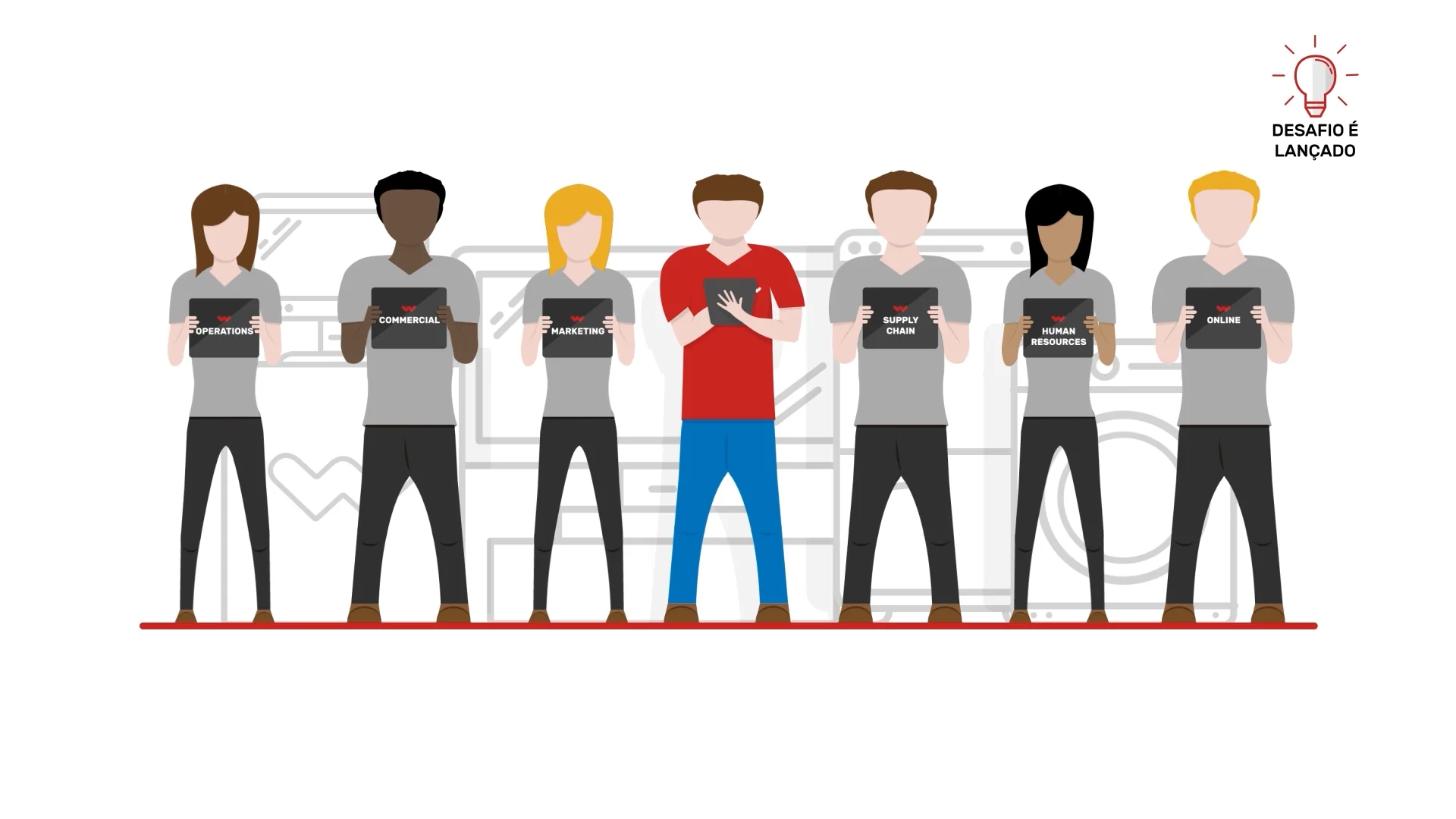
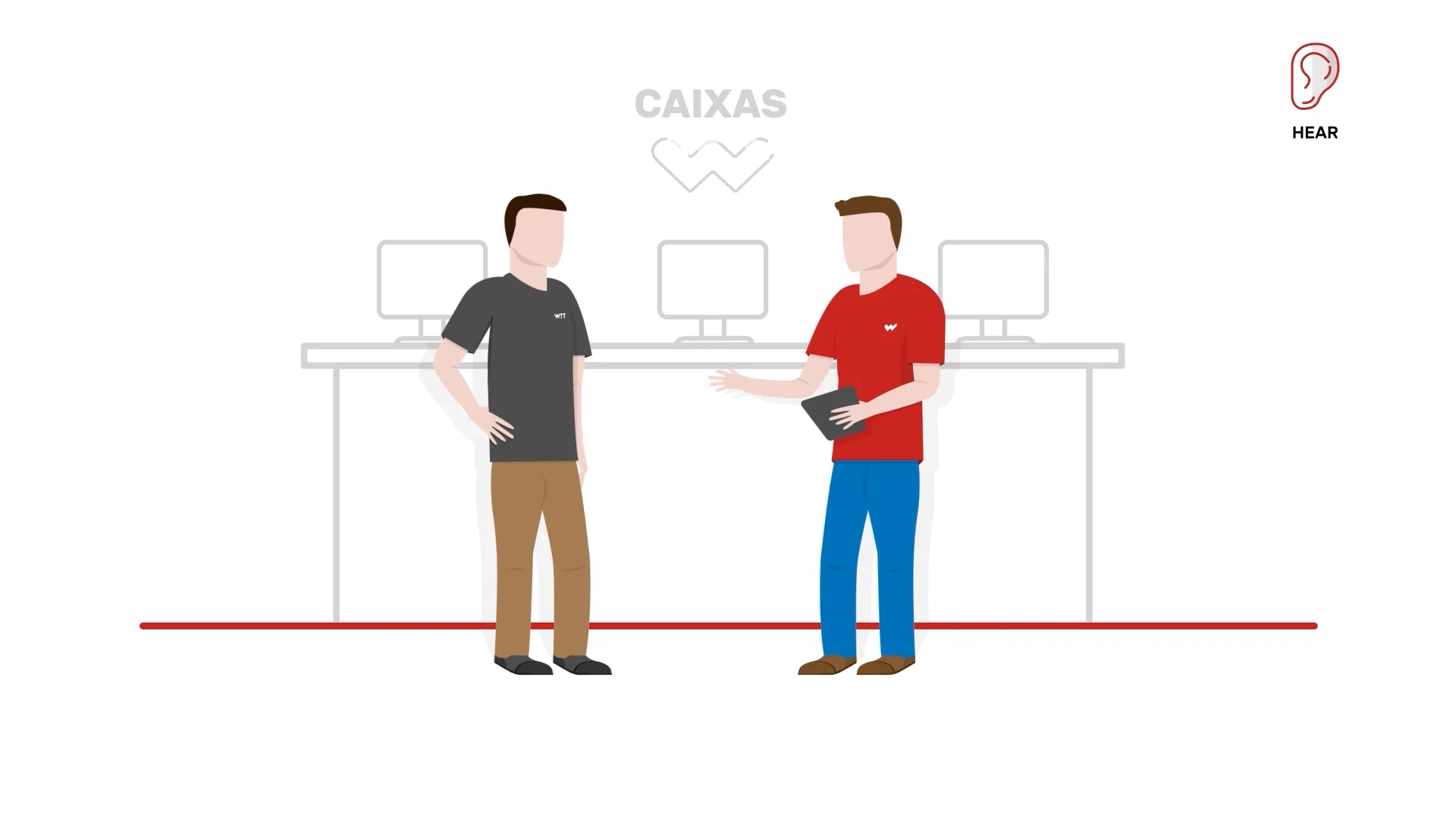
The posters exist for the same reason the film does, just on a different timescale. A film is watched once, usually at a launch or an onboarding, and then competes with everything else in the calendar. A poster in the office keeps the vocabulary in the room, which is what a shared method needs to stay shared.
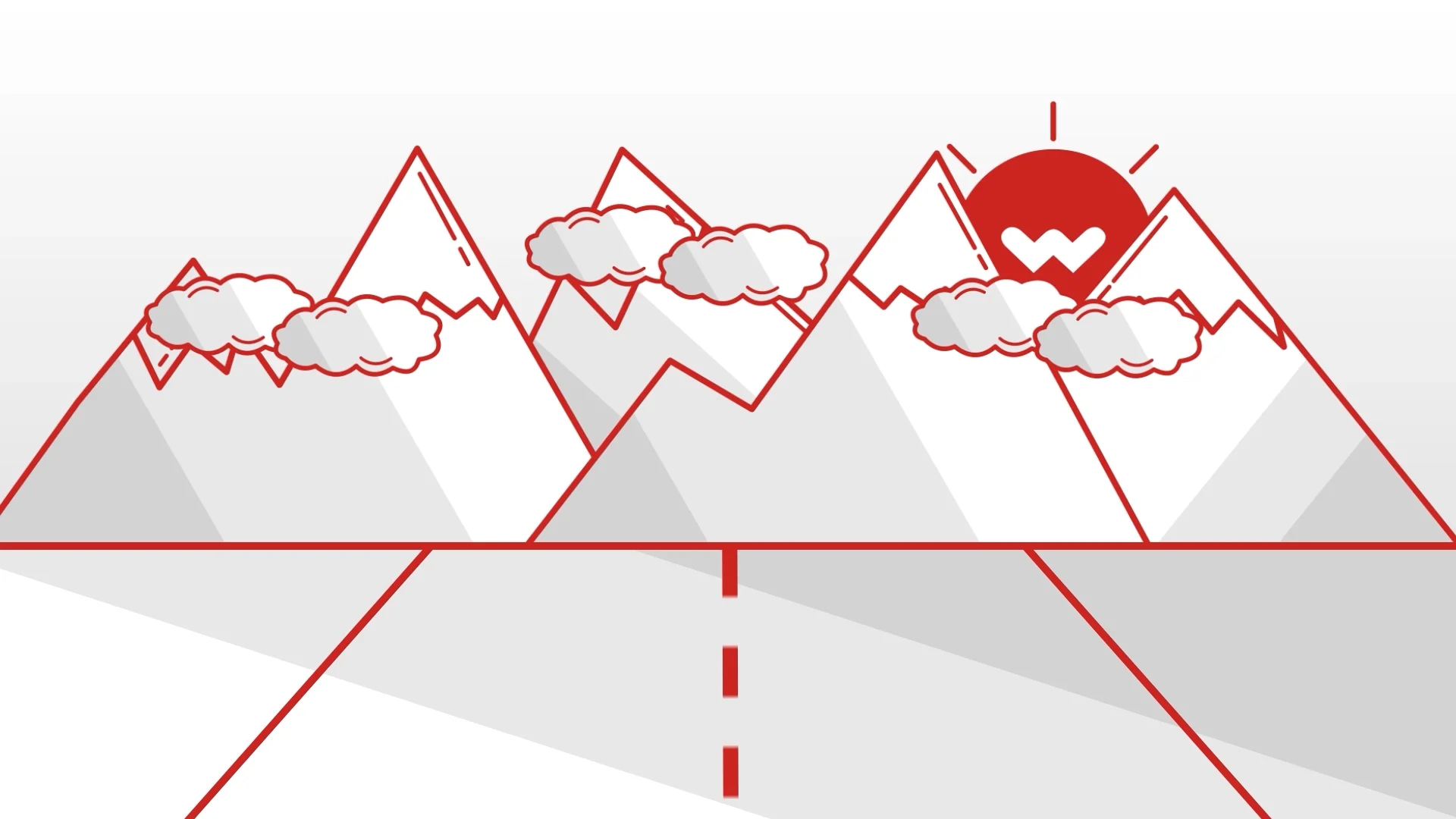
The same approach was then applied to Winners, Worten’s digital platform for store teams, already running in Portugal and rolling out across Spain. A new market means people meeting a product with no idea what it is or why it matters to them, so building the second film on the existing visual language meant it arrived already familiar. That is the point of a system. One film explains a process, two films built the same way make a way of speaking that Worten can keep using.
The same approach was then applied to Winners, Worten’s digital platform for store teams, already running in Portugal and rolling out across Spain. A new market means people meeting a product with no idea what it is or why it matters to them, so building the second film on the existing visual language meant it arrived already familiar. That is the point of a system. One film explains a process, two films built the same way make a way of speaking that Worten can keep using.
Methods only work when people remember them. These were built to be remembered.
Methods only work when people remember them. These were built to be remembered.



Credits
Year: 2019
Client: Worten
Concept & Scripting: Rui Cordeiro
Art Direction & Storyboard: Filipe Cordeiro
Project Management: Paulo Almeida
Graphic Design, Illustration, Motion Design & Animation: Filipe Cordeiro
Sound Design: Filipe Cordeiro