CA SOMOS NÓS

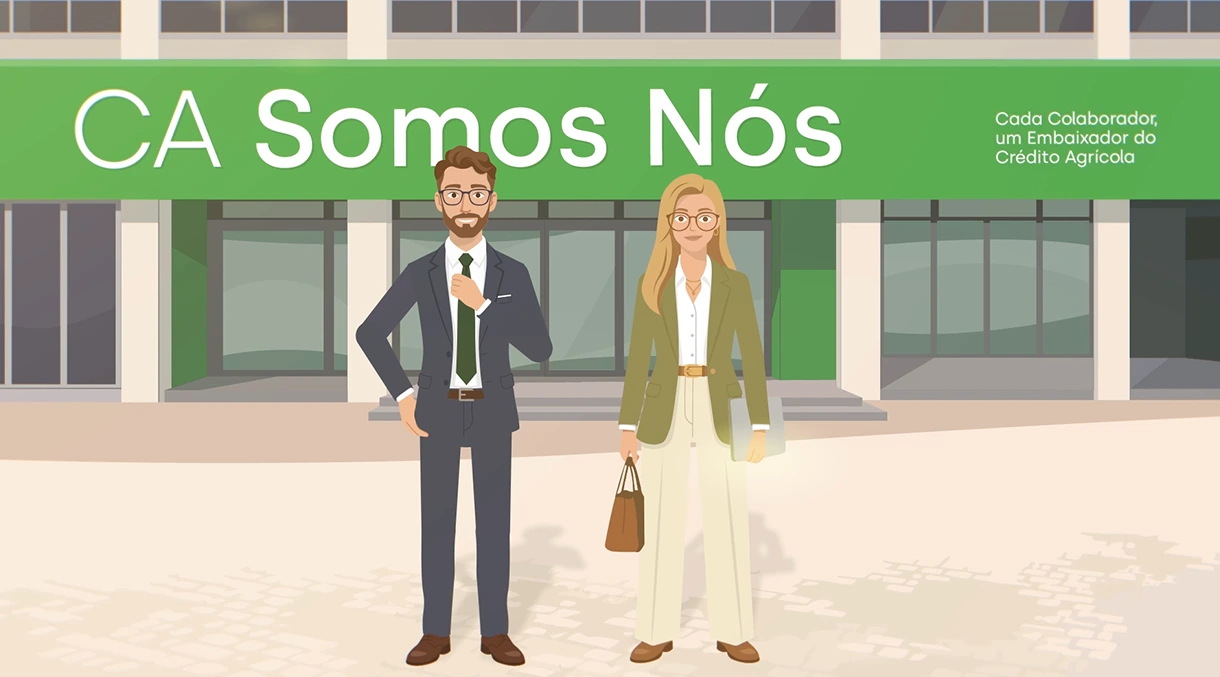

The bank’s code of conduct asks employees to present a professional and well-kept image. It does not say what that means, and everyone reading it arrives at a slightly different answer. Remote work and a younger workforce have stretched those answers further apart, which left an internal communication problem with an obvious wrong solution: publish a list of rules about what employees can wear to work, and watch it get ignored.
A bank’s code of conduct asks employees to present a professional and well-kept image. It does not say what that means, and everyone reading it arrives at a slightly different answer. Remote work and a younger workforce have stretched those answers further apart, which left an internal communication problem with an obvious wrong solution: publish a list of rules about what employees can wear to work, and watch it get ignored.
CA Somos Nós answers it the other way. It is a short internal film for Crédito Agrícola employees, built around four everyday situations where somebody gets it slightly wrong, notices, and fixes it. No rules, no policy, no list of what to avoid. The title says the argument out loud: the bank’s image is not the buildings or the campaigns, it is whoever walks through the door every morning.
CA Somos Nós answers it the other way. It is a short internal film for Crédito Agrícola employees, built around four everyday situations where somebody gets it slightly wrong, notices, and fixes it. No rules, no policy, no list of what to avoid. The title says the argument out loud: the bank’s image is not the buildings or the campaigns, it is whoever walks through the door every morning.

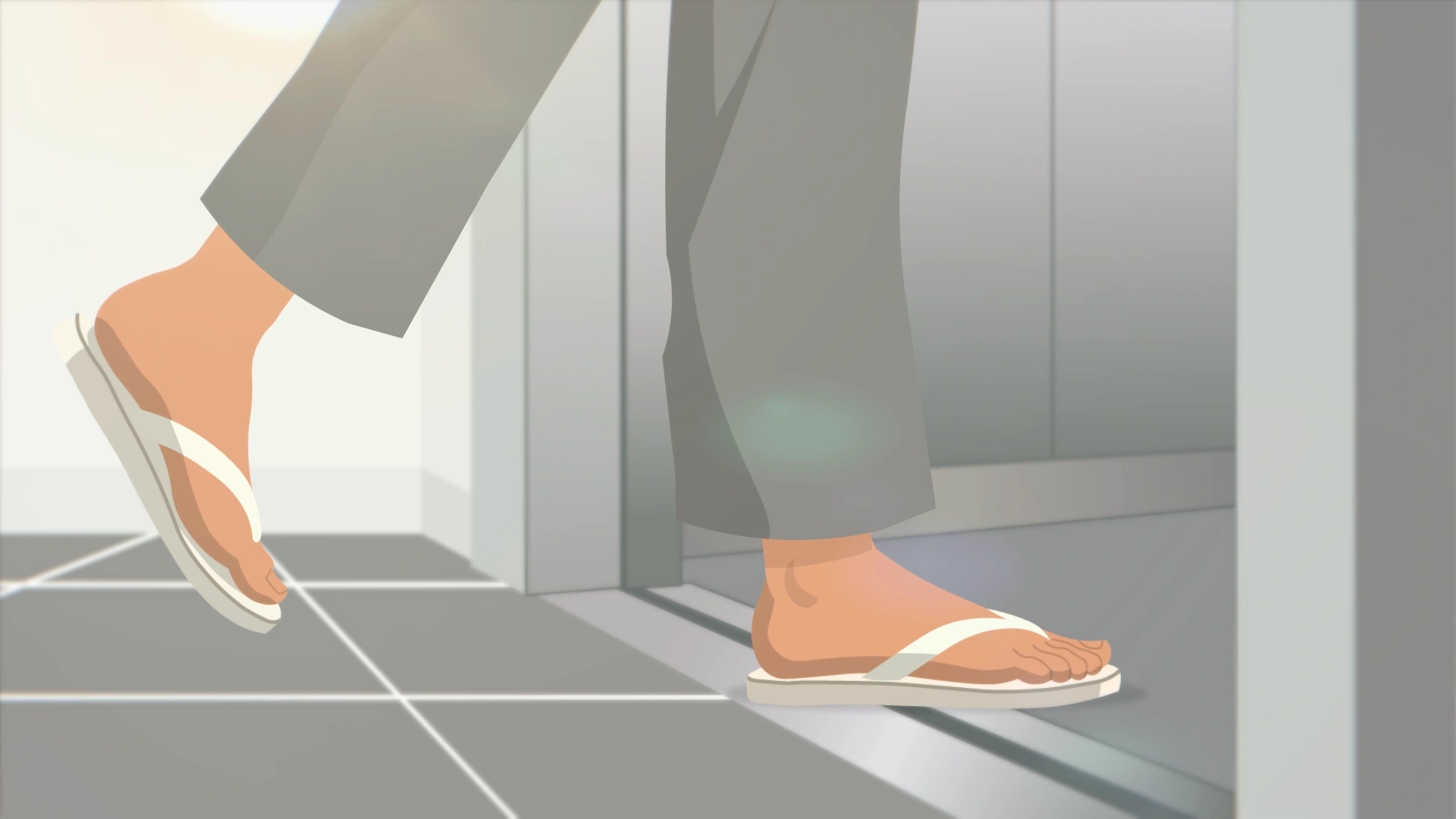
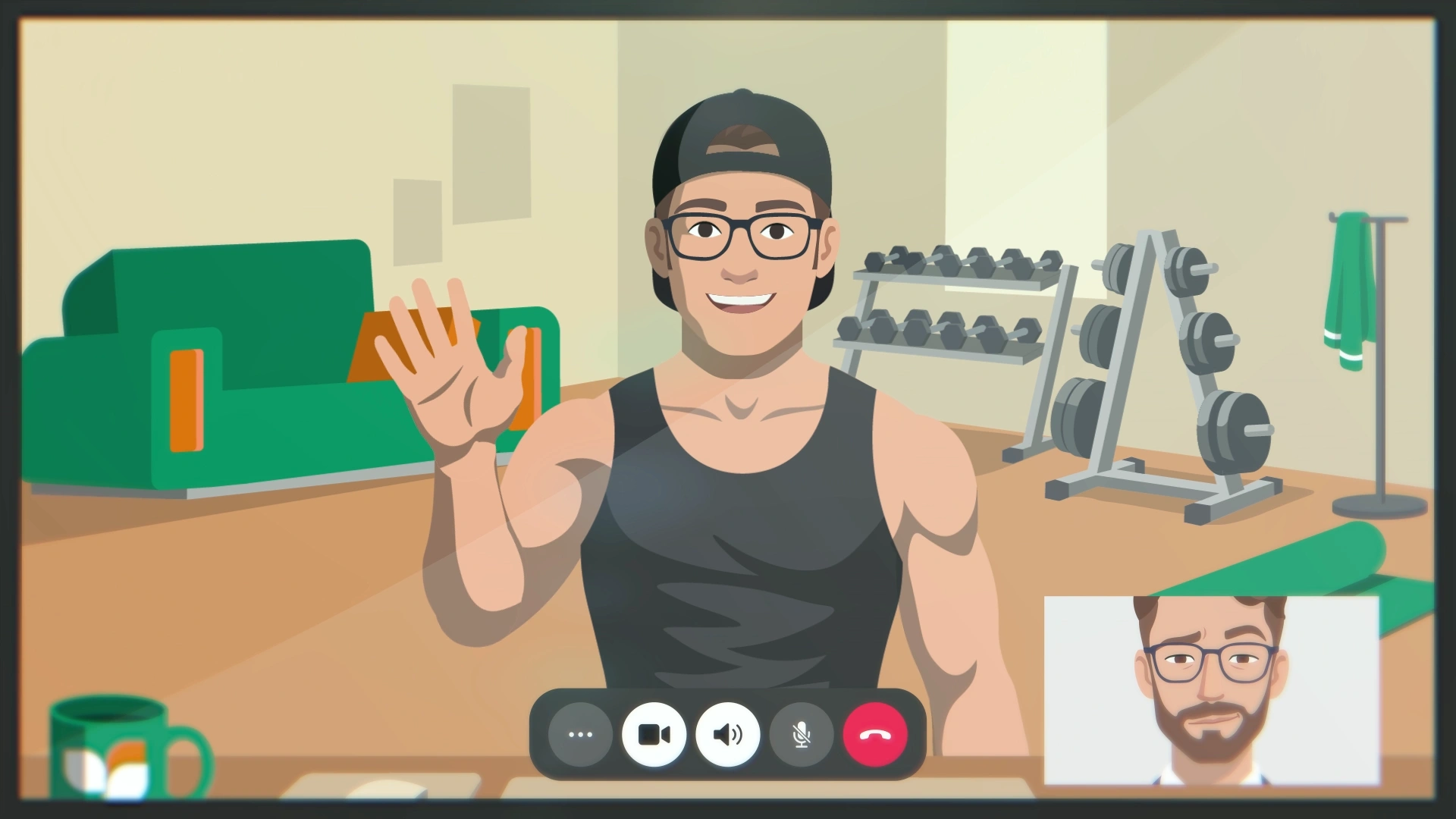

Nothing in it is filmed, and that was a decision before it was a style. Using real employees to illustrate what not to do would single people out and turn colleagues into cautionary tales, which is exactly the tone the piece could not afford. Illustrated characters keep the situations recognisable to everyone and aimed at nobody. The visual style does the same job, universal enough that anyone in the organisation can see themselves in it, from the counter to head office.
Nothing in it is filmed, and that was a decision before it was a style. Using real employees to illustrate what not to do would single people out and turn colleagues into cautionary tales, which is exactly the tone the piece could not afford. Illustrated characters keep the situations recognisable to everyone and aimed at nobody. The visual style does the same job, universal enough that anyone in the organisation can see themselves in it, from the counter to head office.



The humour needed the same care. A joke about how someone dresses is one notch away from an insult, so the direction held to one rule: the situation is funny, the person never is. In every scene the character is the one who notices, and gets a knowing smile rather than a correction. Nobody gets told off, which is the only way an internal film about personal appearance stays on the right side of the line.
The humour needed the same care. A joke about how someone dresses is one notch away from an insult, so the direction held to one rule: the situation is funny, the person never is. In every scene the character is the one who notices, and gets a knowing smile rather than a correction. Nobody gets told off, which is the only way an internal film about personal appearance stays on the right side of the line.


Nobody is told what to wear. The film just makes the point everyone already half knows, and lets them arrive at it laughing.
Nobody is told what to wear. The film just makes the point everyone already half knows, and lets them arrive at it laughing.






Credits
Year: 2026
Agency: Blue Pepper
Client: Crédito Agrícola
Strategy: Djáli Campos, Filipe Cordeiro
Creative & Art Direction: Filipe Cordeiro
Script: Djáli Campos, Ana Silvestre
Storyboard & Illustration: Martim Martins
Motion Design & Animation: Filipe Cordeiro
Project Management: Djáli Campos
Voice-Over: Sílvia Alberto
Sound Design: Filipe Cordeiro