PLAY



PLAY is the main awards night for Portuguese music, broadcast live on RTP1. The ambition behind it was never just to hand out prizes, it was to make the industry’s own night matter to the people the music is actually for, an audience that mostly doesn’t watch television. So the work that sells the night has to do something a broadcast promo usually doesn’t. It has to feel like the music, not like an announcement.
PLAY is the main awards night for Portuguese music, broadcast live on RTP1. The ambition behind it was never just to hand out prizes, it was to make the industry’s own night matter to the people the music is actually for, an audience that mostly doesn’t watch television. So the work that sells the night has to do something a broadcast promo usually doesn’t. It has to feel like the music, not like an announcement.
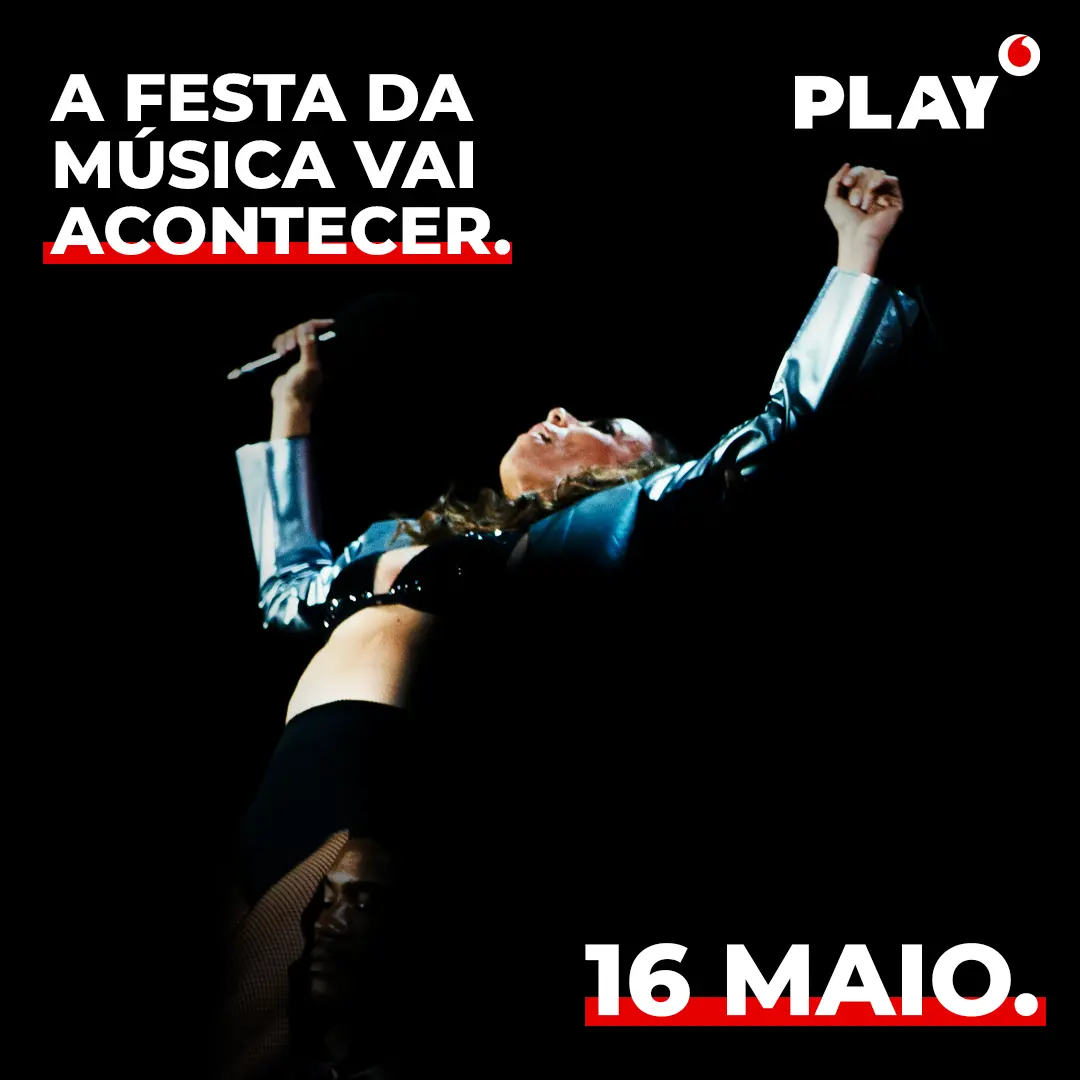
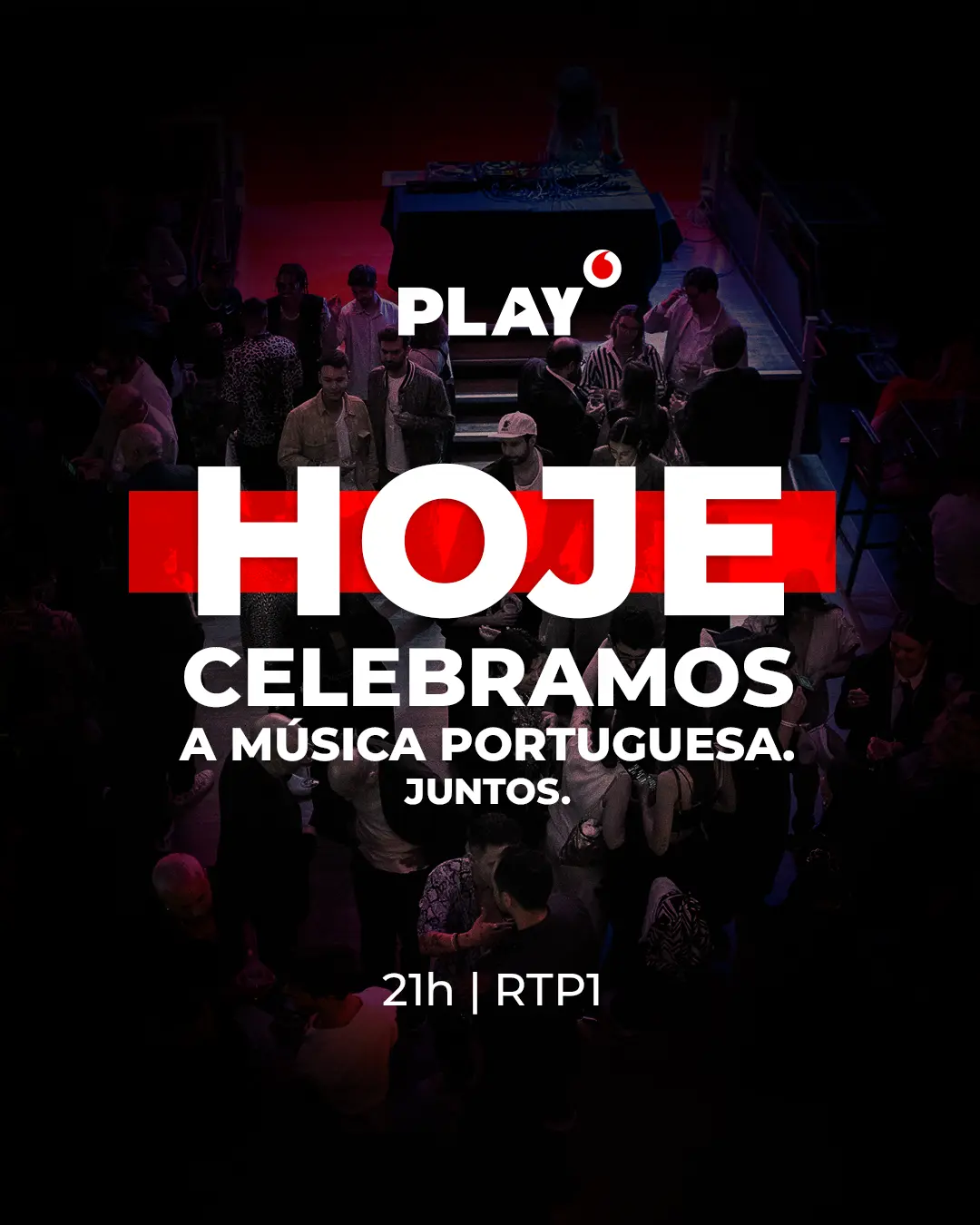
PLAY has been building that position since 2019, and the work behind it is an ongoing brand strategy rather than a one-off. The night itself is only the peak. Nominations, voting, announcements and winners keep the brand running for months on either side of it, so the visual system has to hold long before the broadcast and long after it. That work covers the television spots, the motion design behind them, a refresh of the on-screen graphics, and the visual consistency of everything published in between. Each edition needs one general spot plus a spot for each award category, all cut from the same brand and all aired to a national audience.
PLAY has been building that position since 2019, and the work behind it is an ongoing brand strategy rather than a one-off. The night itself is only the peak. Nominations, voting, announcements and winners keep the brand running for months on either side of it, so the visual system has to hold long before the broadcast and long after it. That work covers the television spots, the motion design behind them, a refresh of the on-screen graphics, and the visual consistency of everything published in between. Each edition needs one general spot plus a spot for each award category, all cut from the same brand and all aired to a national audience.
An annual event has a built-in problem. It is the same night every year, and it has to feel new every year without becoming unrecognisable. That tension shaped the graphics refresh, which kept the parts of the system that people had learned to recognise and rebuilt the parts that had stopped earning their place. Continuity across editions, difference within them.
An annual event has a built-in problem. It is the same night every year, and it has to feel new every year without becoming unrecognisable. That tension shaped the graphics refresh, which kept the parts of the system that people had learned to recognise and rebuilt the parts that had stopped earning their place. Continuity across editions, difference within them.
The category spots follow the same pattern for the same reason. Each one announces a different award, but they share a structure, so any single spot reads as the whole event rather than a fragment of it. The same logic ran past the spots. Supervising the visual content that supported the content strategy meant the television work and everything published around it stayed one brand rather than two, which matters more than usual for an event whose audience meets it on a phone long before they meet it on a television.
The category spots follow the same pattern for the same reason. Each one announces a different award, but they share a structure, so any single spot reads as the whole event rather than a fragment of it. The same logic ran past the spots. Supervising the visual content that supported the content strategy meant the television work and everything published around it stayed one brand rather than two, which matters more than usual for an event whose audience meets it on a phone long before they meet it on a television.
Years of this add up to something no single edition could do alone, a brand recognised before it is announced, for a night built to belong to the music rather than to the industry that hands out the prizes. The same night every year. Never the same one twice.
Years of this add up to something no single edition could do alone, a brand recognised before it is announced, for a night built to belong to the music rather than to the industry that hands out the prizes. The same night every year. Never the same one twice.

Credits
Year: 2021 – 2026
Agency: Blue Pepper
Client: PLAY – Prémios da Música Portuguesa
Graphic Design: Filipe Cordeiro, Maria Reis, Martim Martins
Motion Design: Filipe Cordeiro, Martim Martins
Motion Design & Animation: Filipe Cordeiro
Copywriting: Ana Silvestre
Content Strategy: Djáli Campos, Ana Silvestre, Filipe Cordeiro, Rita Aguiar
Visual Content Direction: Filipe Cordeiro
Project Management: Djáli Campos, Ana Silvestre, Rita Aguiar
Sound Design: Blim Records
Hosting: Filomena Cautela
Broadcasting: RTP1